Check Schedule for next Drill

Training programs

Comprehensive programs designed to develop leadership, maritime skills, and character

What we offer

Our programs combine classroom instruction with hands-on training to provide cadets with real-world skills and experiences. Training takes place during weekend drills, summer training cruises, and specialized courses at Navy and Coast Guard facilities.

Cadets progress through a structured advancement system, earning promotions based on their performance, leadership, and completion of required training. This system mirrors the U.S. Navy's rank structure and teaches accountability and goal-setting.

All programs emphasize safety, teamwork, and personal responsibility. Cadets learn to work together, support their shipmates, and take pride in their accomplishments while developing skills that will serve them throughout their lives.
Naval academy training facility with modern equipment and learning spaces
Sea cadet training
Comprehensive maritime education covering navigation, seamanship, damage control, and naval operations. Cadets learn through hands-on training aboard vessels and at shore facilities.
Leadership development
Structured courses in leadership theory and practice, including command experience, team building, and decision-making under pressure. Cadets advance through a rank system based on performance.
Maritime skills
Practical training in boat handling, line handling, chart reading, weather observation, and maritime communications. Cadets can earn certifications in various maritime specialties.
Community service
Regular volunteer opportunities supporting veterans, environmental conservation, and local community organizations. Service hours contribute to advancement and scholarship eligibility.
Drill & ceremony
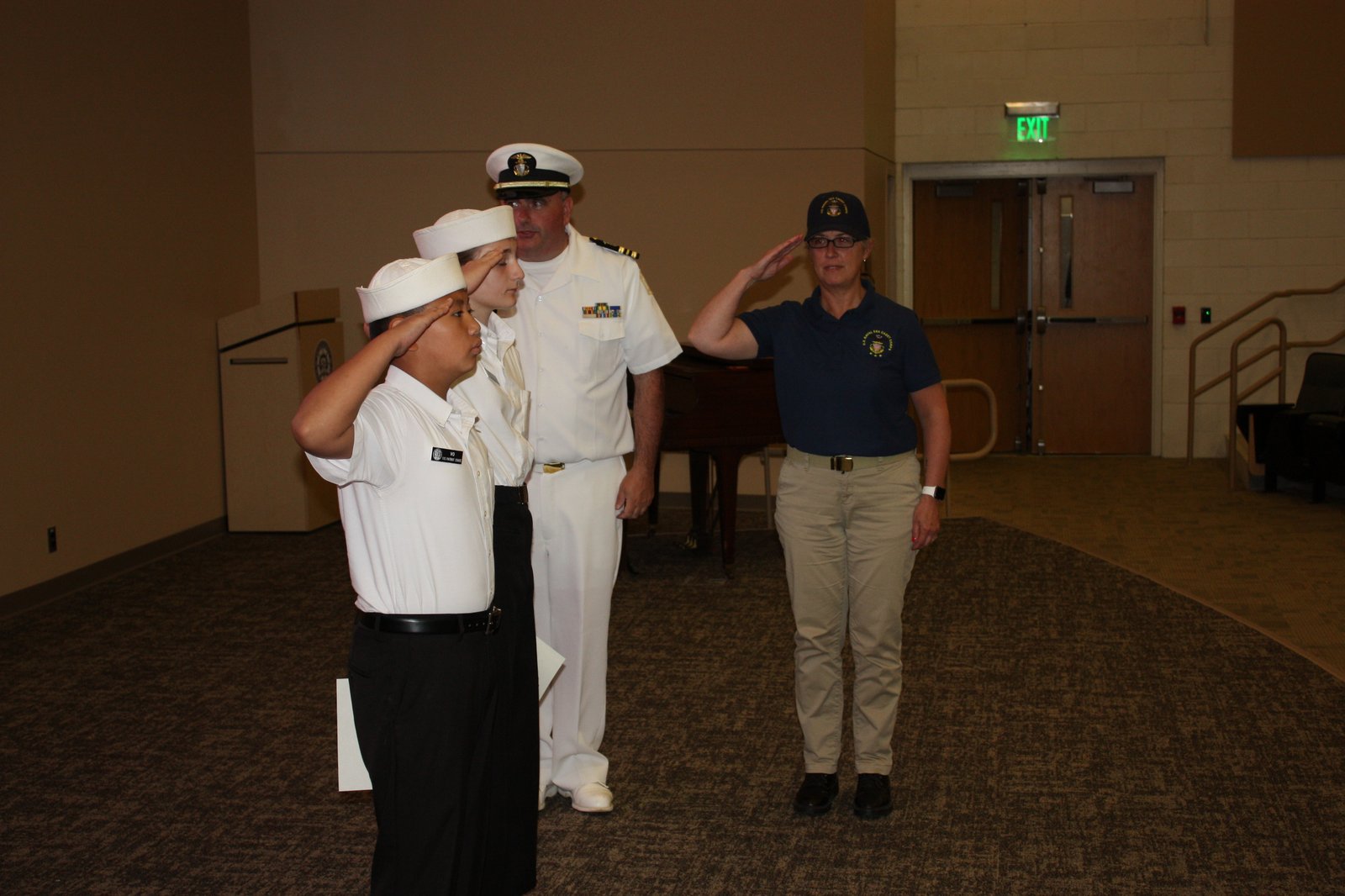
Professional instruction in military drill movements, color guard procedures, and ceremonial protocols. Competitive drill teams represent the division at regional and national events.
Advanced training
Specialized courses at Navy and Coast Guard facilities including aviation orientation, submarine familiarization, SCUBA diving, and emergency medical training for qualified cadets.
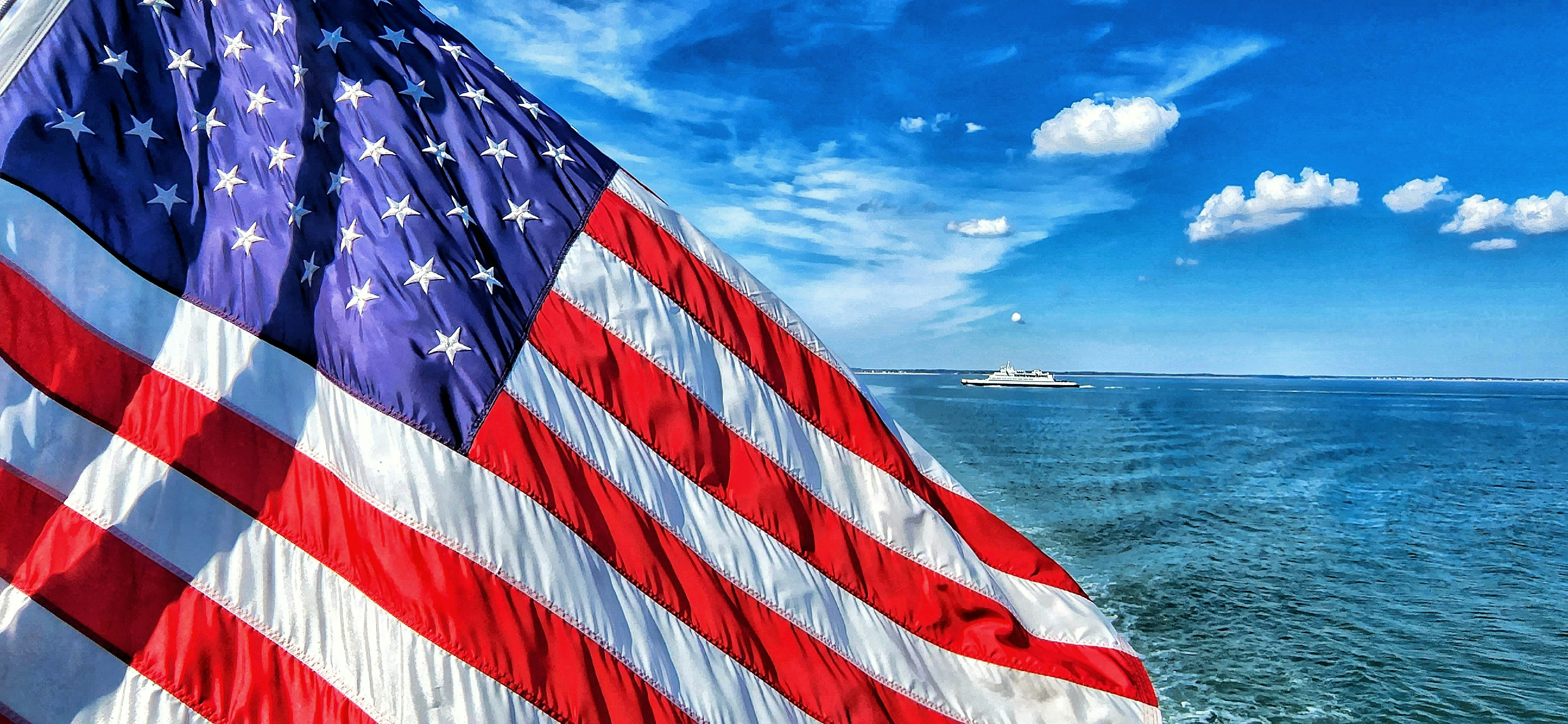
Modern naval vessel at sea demonstrating maritime operations

Training schedule

Weekend drills: Held twice monthly on Saturdays from 0900 to 1500. Drills include classroom instruction, physical training, drill practice, and hands-on maritime training.

Summer training: Two-week training cruises aboard Navy vessels or at shore facilities. Cadets experience life at sea and participate in advanced training courses.

Special events: Regional competitions, community service projects, and ceremonial events throughout the year provide additional training and leadership opportunities.

Advanced courses: Qualified cadets can attend specialized training including aviation orientation, submarine familiarization, and emergency medical training at Navy facilities nationwide.

Training in action

Explore moments from our recent training exercises, ceremonies, and community events. Our cadets gain hands-on experience in maritime operations, leadership, and teamwork.
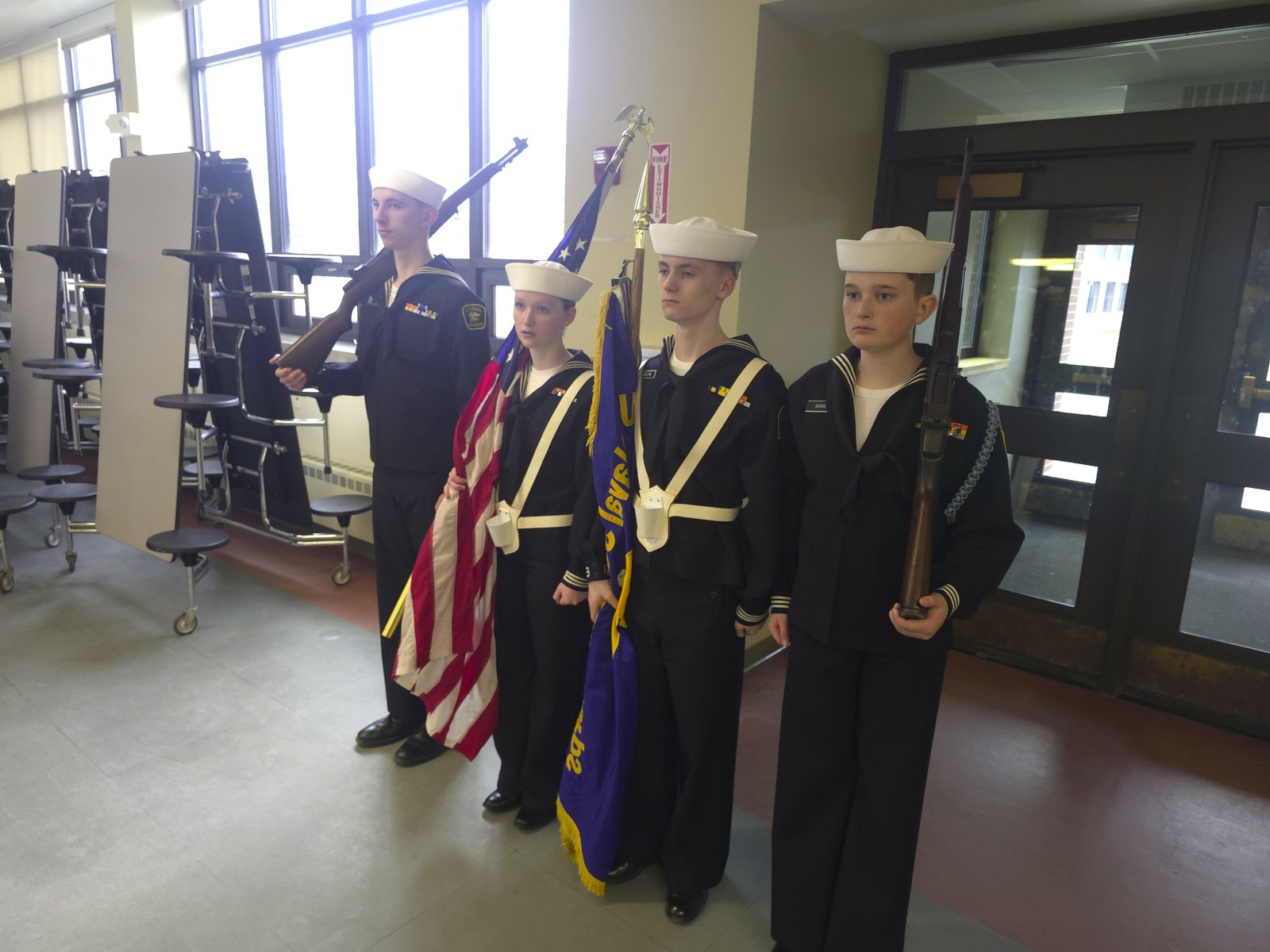
Sea cadets in white dress uniforms with sailor hats holding American and unit flags indoors
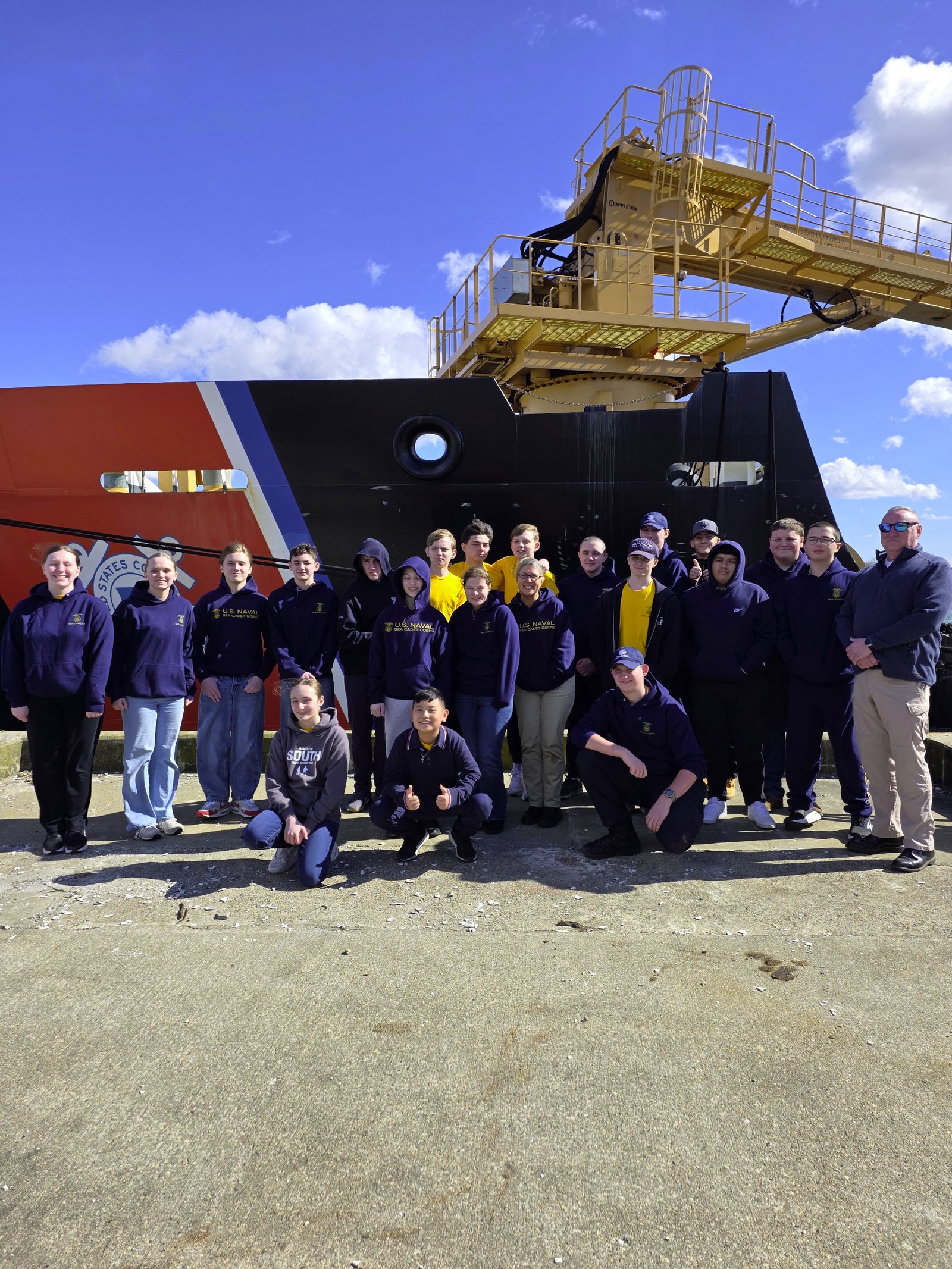
Large group of cadets in navy blue jackets posing in front of a ship with yellow crane
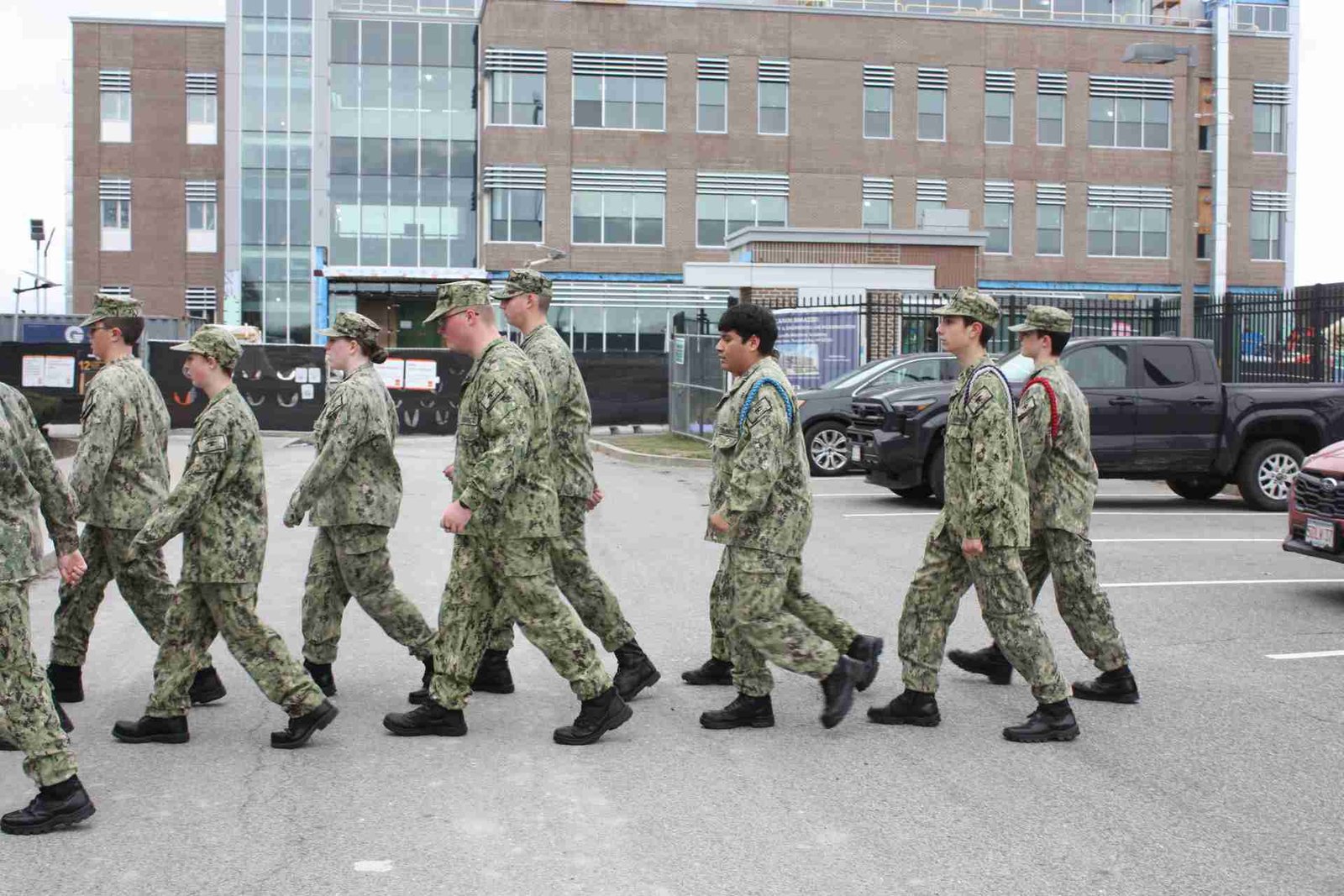
Sea cadets in camouflage uniforms marching in formation on a city street
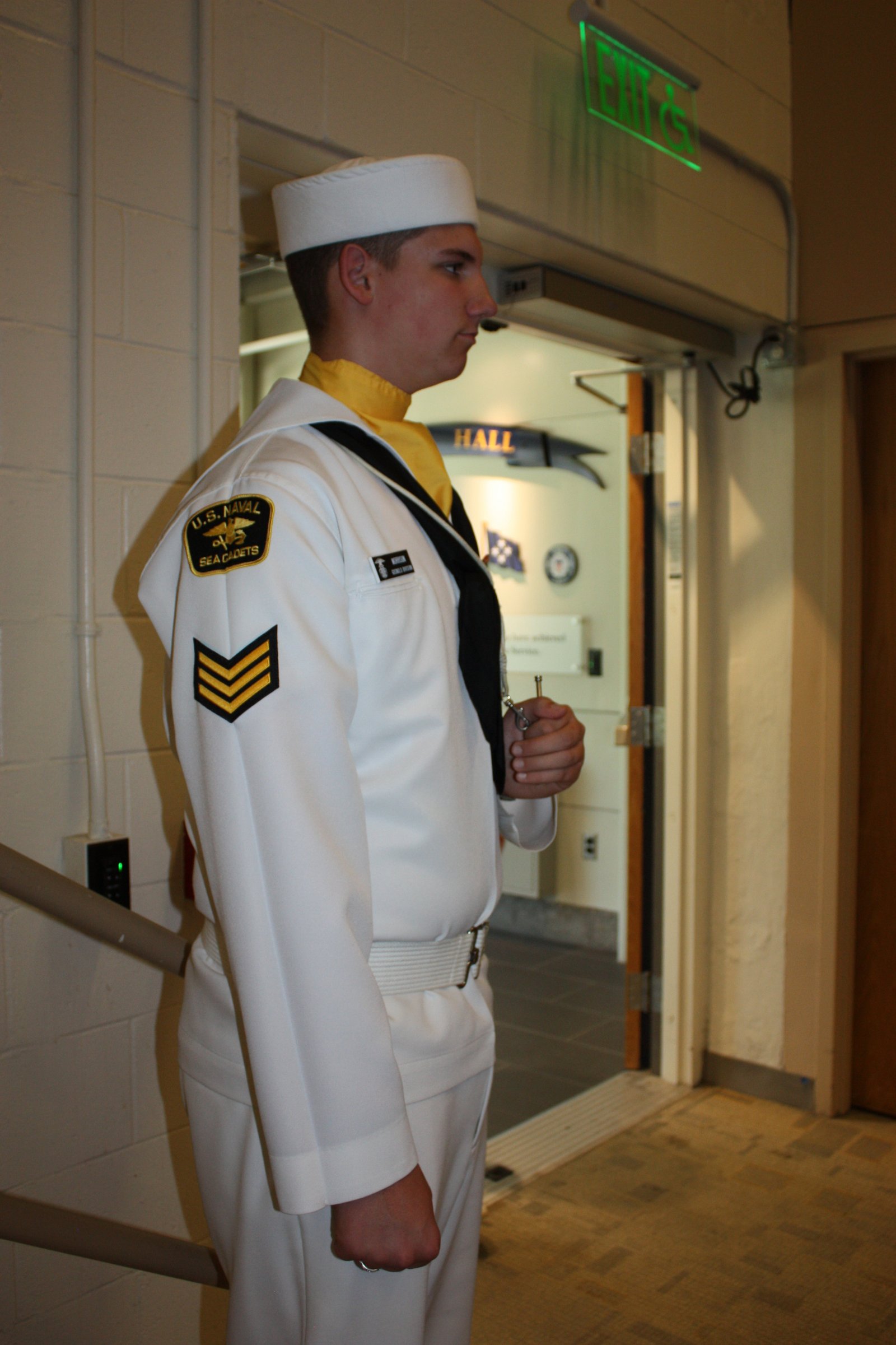
Individual cadet in white dress uniform with sailor hat standing at attention indoors
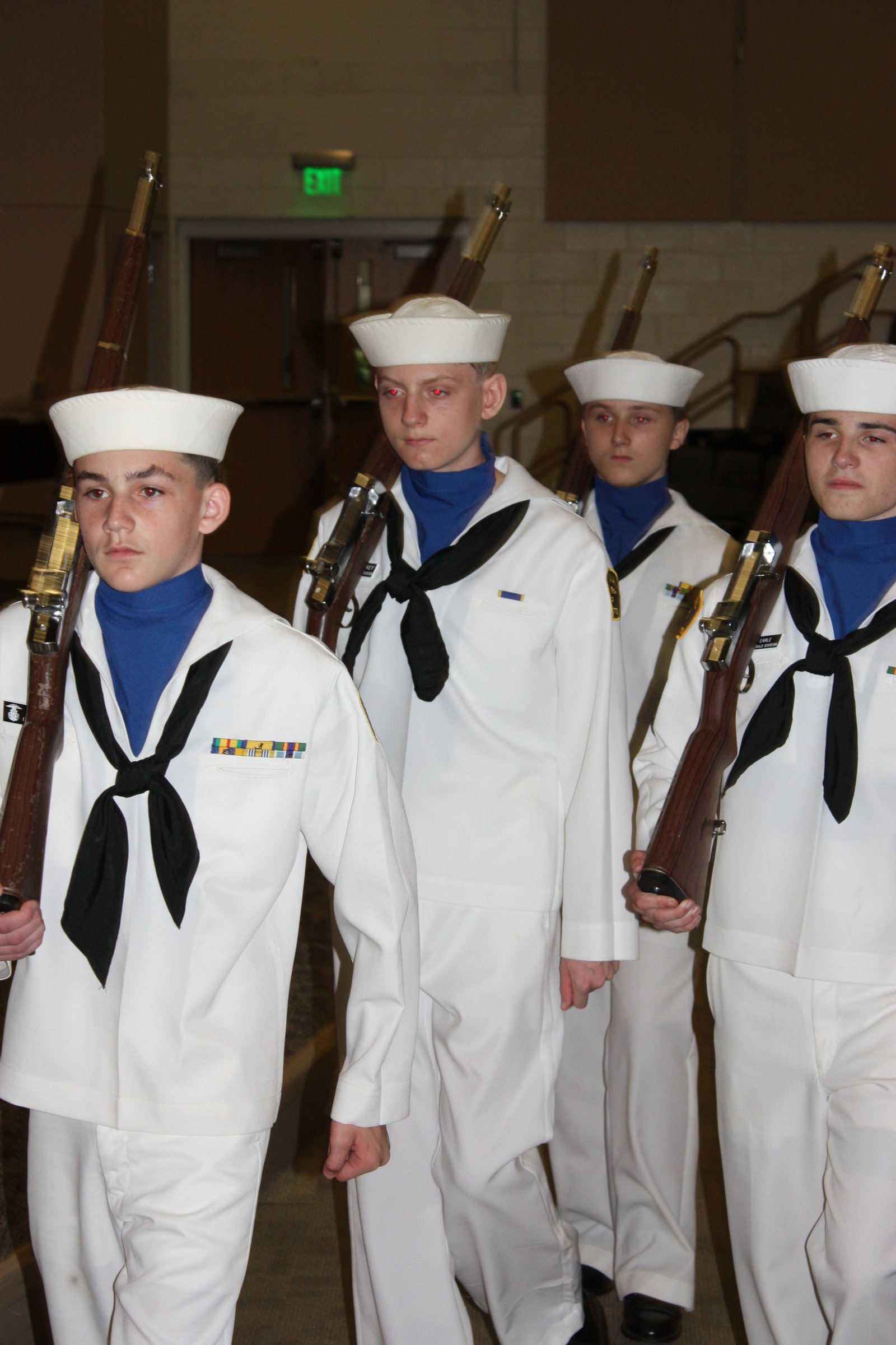
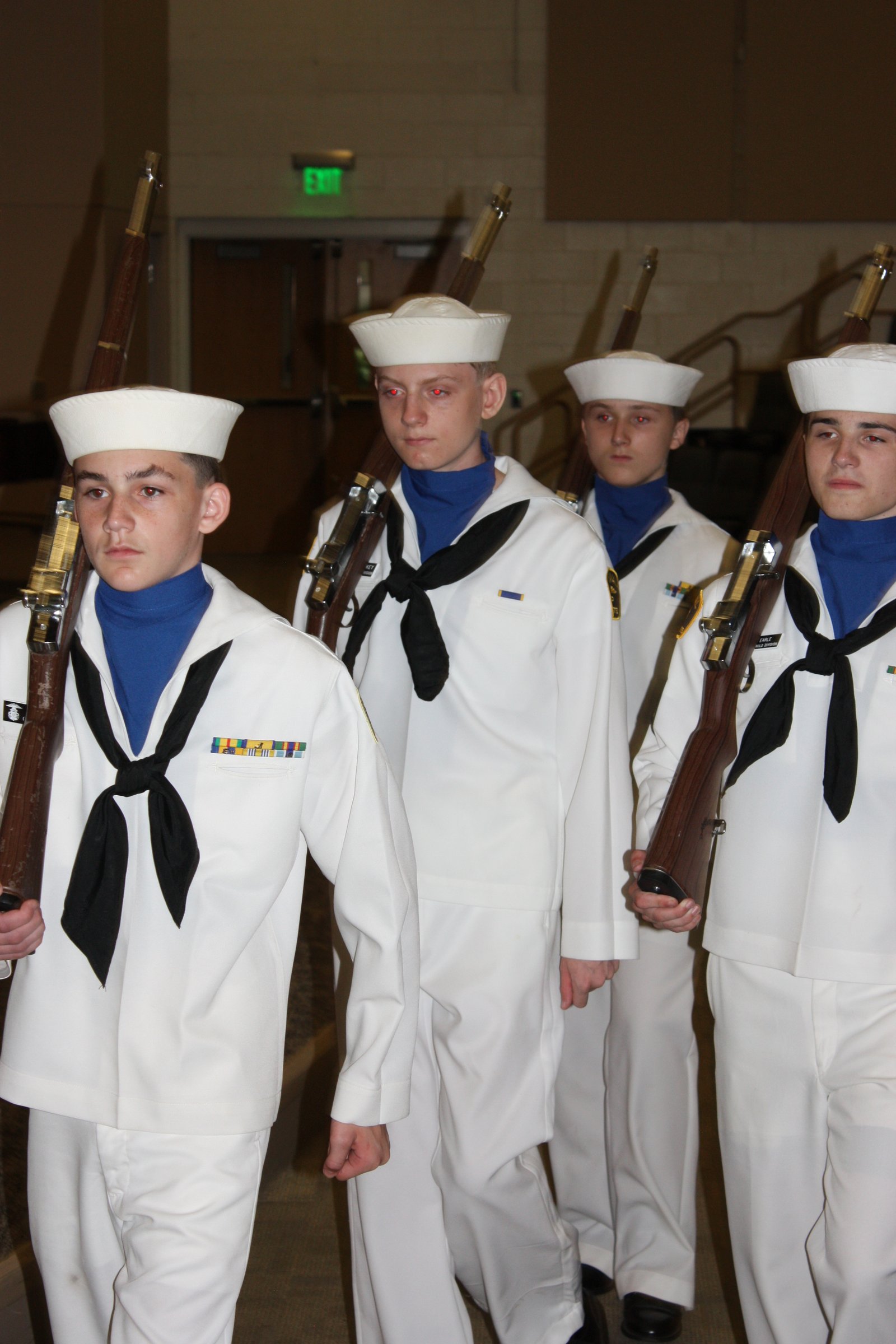
Four cadets in white dress uniforms with rifles at an indoor ceremony
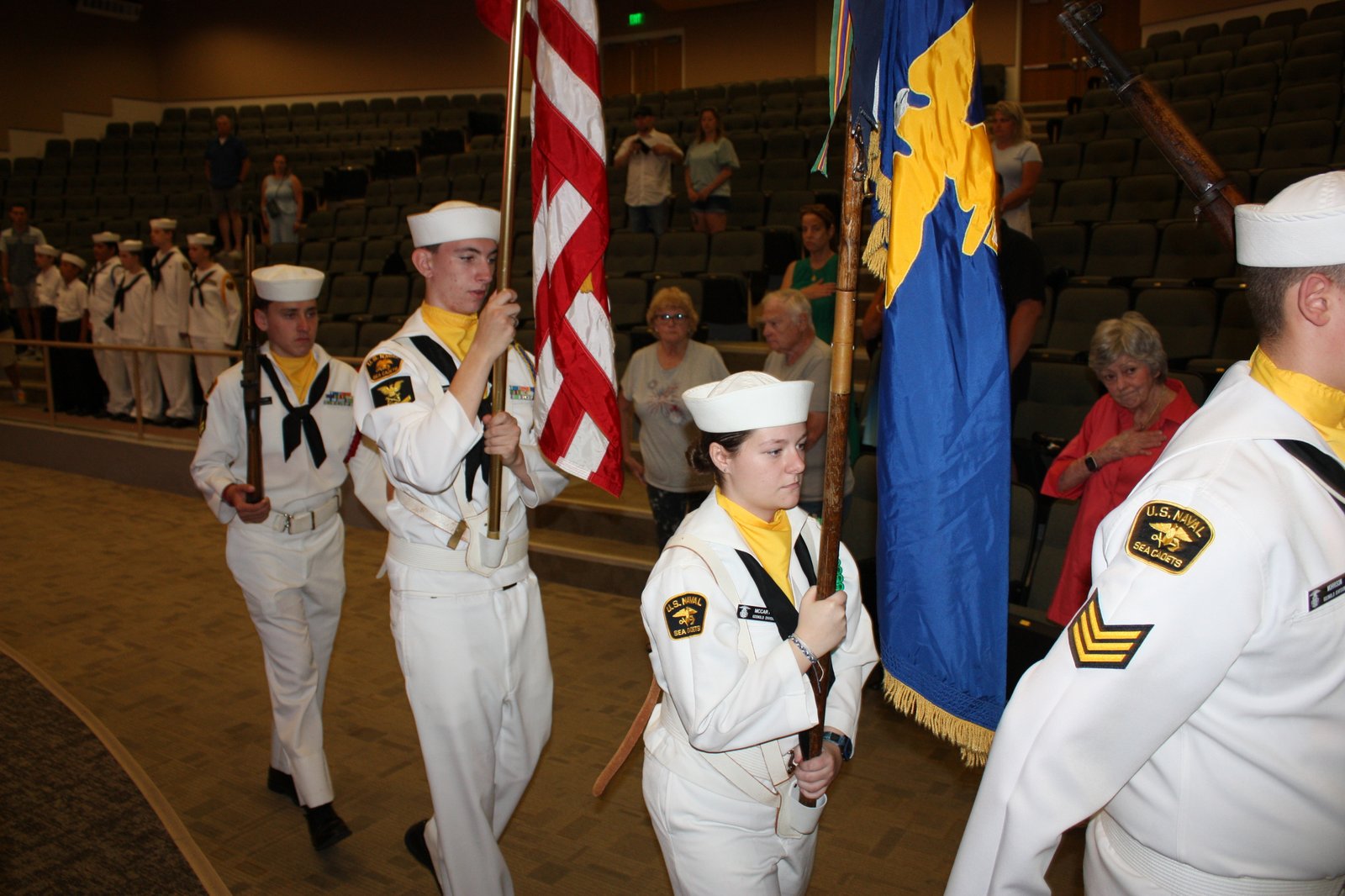
Sea cadets in white dress uniforms carrying American and unit flags during an indoor ceremony
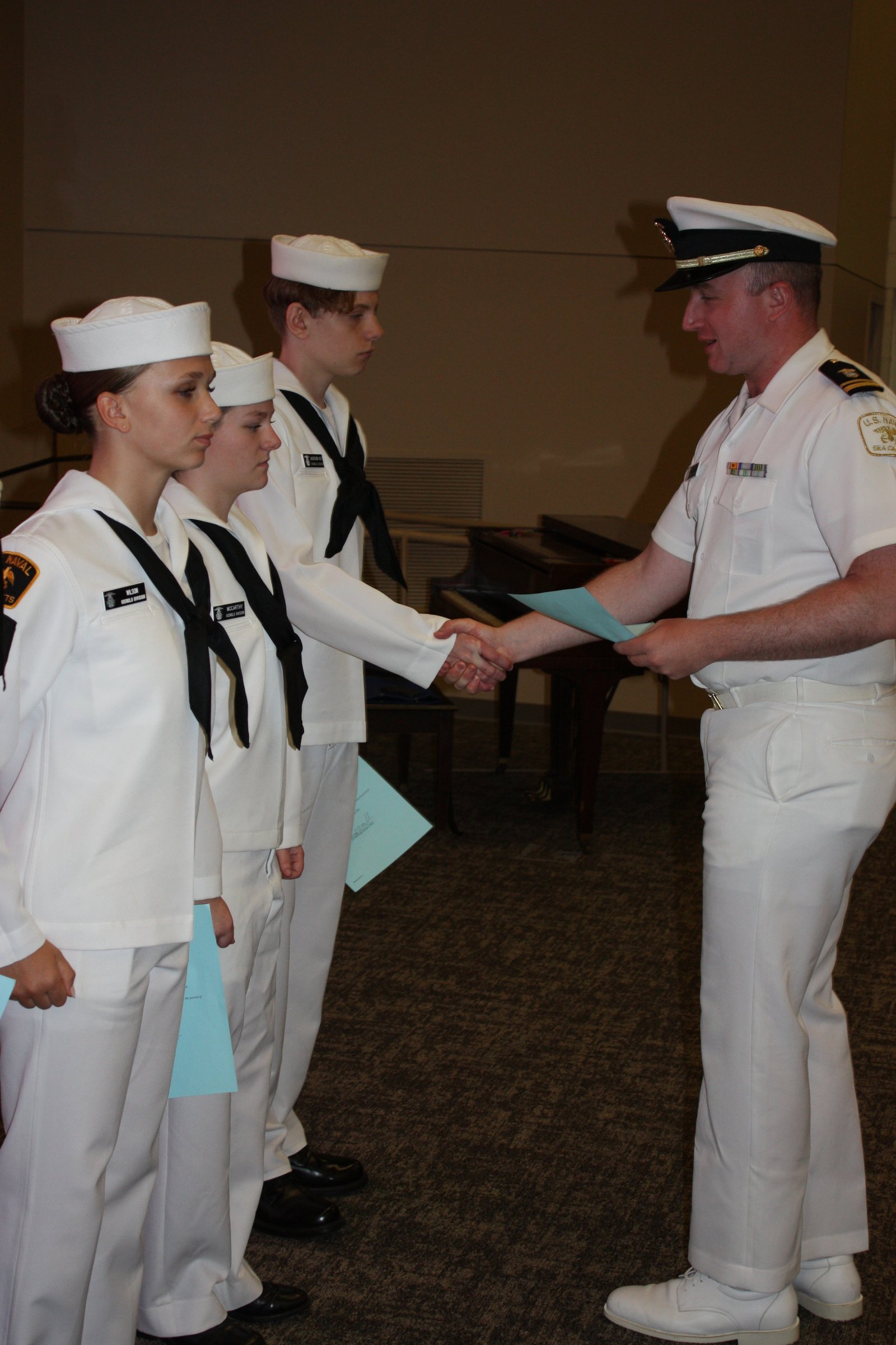
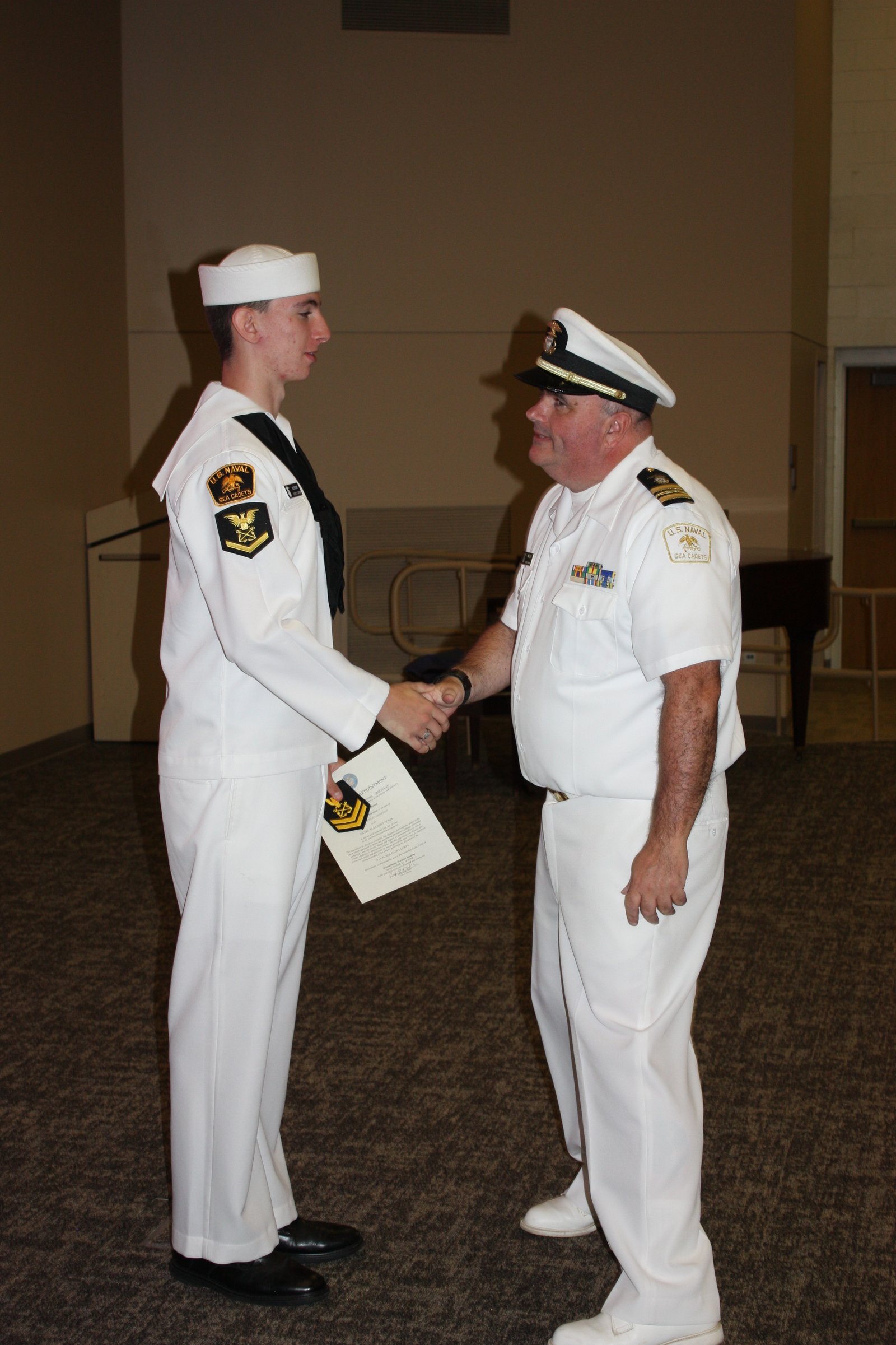
Two cadets shaking hands with an officer, one receiving recognition
Officer instructing cadets in a gymnasium setting
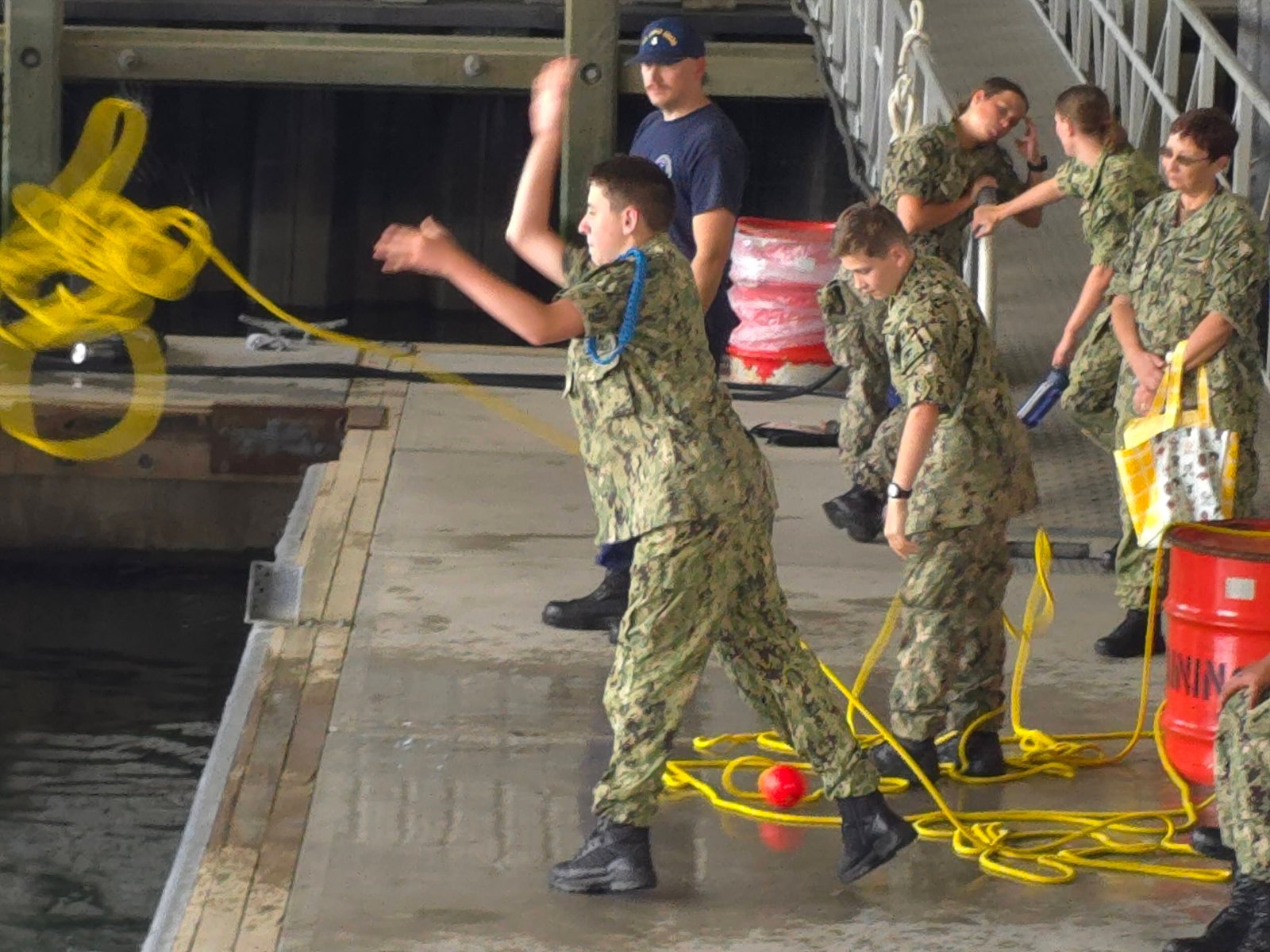
Cadets working with yellow rope and equipment on a ship deck
Cadets in camouflage uniforms handling yellow rope during ship training

Eligibility requirements

  • •Age 10-18 years old (League Cadets ages 10-13, Sea Cadets ages 13-18)
  • •U.S. citizen or legal permanent resident
  • •Good academic standing (minimum 2.0 GPA)
  • •Physical fitness to participate in training activities
  • •Commitment to attend regular drills and training events
  • •Parental consent and support for participation